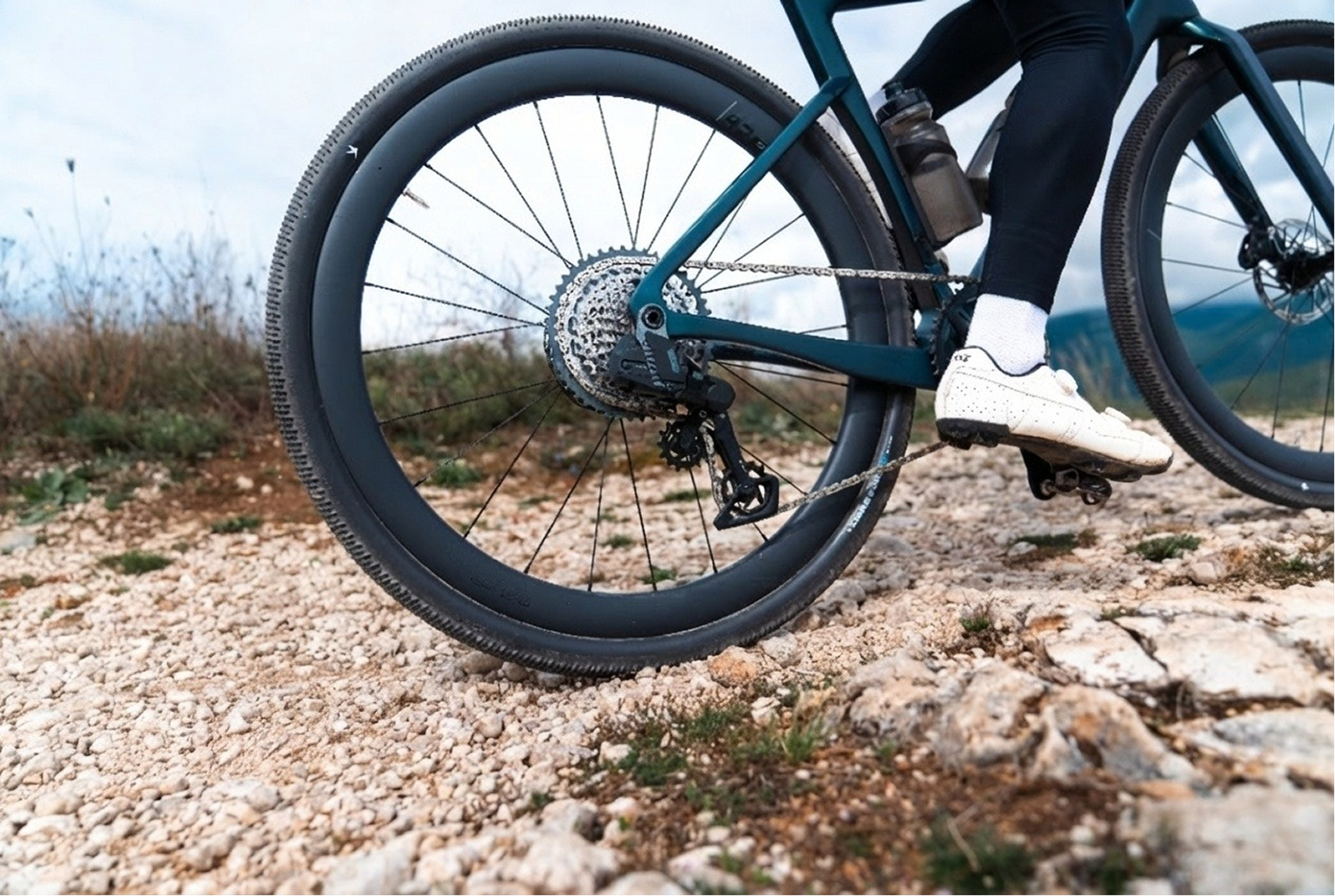
Keep your gravel bike running smooth
Post ride checks for winter riding
How to look after your bike post ride...
Gravel bikes take a beating in winter. Wet, muddy rides leave your bike caked in grit and grime. A quick check after each ride keeps things running smoothly and saves you from bigger problems later. Five minutes is all it takes.
What to Do After Every Ride
These checks are simple. You don't need tools, just a rag and five minutes.1. Wipe Down the Frame
Mud and road spray carry salt and grit that corrode paint and components. Wipe down the frame, fork, and stays with a damp cloth. Focus on areas where mud collects, like the bottom bracket, chainstays, and fork crown.Why it matters: Corrosion starts fast on UK roads in winter. Wiping down after each ride prevents build up.
2. Check the Chain
Your chain tells you everything about your drivetrain. Run a clean rag along the chain to remove surface dirt. If the rag comes away black, your chain needs a proper clean and lube.Quick lube tip: If the chain is dry or squeaking, add a drop of lube to each link and wipe off the excess. Don't overlube. More is not better.
When to clean properly: When shifting feels rough, the chain sounds gritty, or you can see dirt caked between the links.
3. Inspect the Tyres
Check for cuts, embedded glass, or thorns. Run your fingers over the tread and sidewalls. Pull out anything stuck in there before it works its way through to the tube or sealant.Tubeless riders: Check sealant levels every few weeks. Top up if needed.
Why it matters: A small cut can become a flat on your next ride. Better to catch it now.
4. Brake Check
Squeeze the brake levers. They should feel firm and consistent. If they're spongy or pulling to the bar, your pads might be worn or you need a bleed.Look at the brake pads. If they're thin or worn unevenly, replace them. Don't wait until they're metal on metal.
Disc brake tip: Spray and muck can contaminate pads. If your brakes are squealing, your pads might need cleaning or replacing.
5. Look for Loose Bolts
Give your bike a quick visual check. Look for anything loose, bent, or out of place. Check bottle cage bolts, saddle clamps, and handlebar bolts. Mud and vibration can work bolts loose over time.When to tighten: If something looks off or feels wobbly. Don't wait.
When to Do a Proper Clean
After a particularly muddy or wet ride, your bike needs more than a wipe down. Here's when to do a full wash:- Mud in or on the drivetrain
- Shifting feels sluggish or rough
- The bike looks like it's been through a bog (because it has)
How to wash properly:
Rinse with low pressure water. High pressure forces water into bearings. Use bike specific cleaner or diluted washing up liquid and a soft brush. Scrub the frame, wheels, and drivetrain. Rinse off the soap. Dry with a clean cloth or blower Lube the chain once it's dry.Watch our ambassador Tom Couzens and his quick bike clean video
When to Book a Service Some jobs need a mechanic. If you're dealing with any of the following, book a service:
- Gears won't index properly despite adjustments
- Brakes feel spongy or inconsistent
- Headset or bottom bracket feels rough or creaky
- Wheels are out of true or spokes are loose
We have an extensive network of bike shops and mechanics - We call these our Service Outposts - Click here to find out more
How often: Most riders should service their gravel bike every six months if they ride regularly through winter.
Keep It Simple Post ride maintenance is not complicated. Wipe it down, check the chain, look at the tyres, and keep an eye on the brakes. Five minutes after each ride keeps your bike reliable and extends the life of your components.
The riders who keep showing up are the ones who look after their bikes. Make it a habit.

Tyre Choice and Pressures for UK Gravel
Tyres can make or break your gravel ride. This blog cuts through the guesswork on width, tread and pressure, showing you what actually works for UK conditions.
Getting the right set up is half the battle
Getting your gravel bike set up right is the difference between enjoying the ride and counting down the miles. This blog breaks down the key adjustments that actually matter, from saddle height to bar position and tyre pressure, without drowning you in jargon.
Why Gravel Riding Works In February
February gravel isn’t about hero rides. It’s about quiet trails, mixed surfaces and riding for the sake of it. This blog dives into why Ribble staff and the Outliers keep choosing gravel when winter drags on, from traffic-free routes to bikes built to handle proper UK conditions.
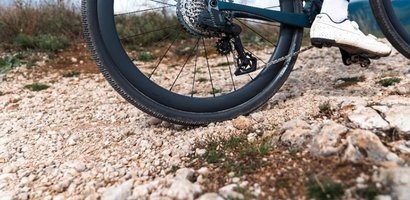
Post Ride Checks That Keep Your Gravel Bike Running
Winter wrecks bikes. This blog shows you how to fight back in five minutes flat. No tools, no faff. Just the simple checks that stop small issues turning into expensive problems. From wiping down grit to spotting tyre cuts and keeping your chain alive, it’s the bare minimum that makes a massive difference. Ride more. Fix less. Your future self will thank you.
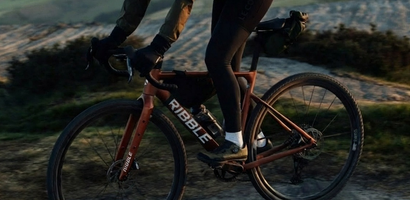
Winter Gravel Clothing Guide
Winter gravel isn’t about suffering. It’s about turning up and staying comfortable. This guide shares no-nonsense kit advice from Ribble staff and the Outliers on what actually works in a UK February.
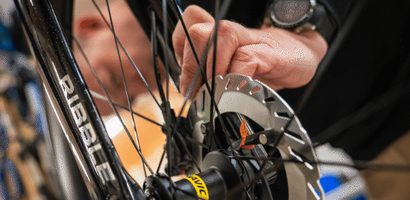
When To Service Your Bike? A Practical Guide for Every Rider
Looking after your bike doesn’t start and end with a clean after riding. Regular servicing keeps it working at its best, no matter how often you ride. The tricky part is knowing when a service is needed. Too early feels unnecessary. Too late and the problems have already crept in. This guide breaks it down simply so you can ride more and worry less.

Staying Motivated: Winter Wisdom From The Ribble Family
When winter kills your motivation, even the pros feel it. The difference is they’ve built strategies that keep them riding when willpower runs out. Here’s how they stay consistent, break through the slump, and keep the pedals turning through the toughest months.

Clean: A Quick Wash Guide With Tom Couzens
Winter rides = filthy bikes. But it doesn’t need to be a chore. Ribble Ambassador Tom Couzens shares a quick 10-minute clean that keeps your bike running smooth and makes getting back out tomorrow a whole lot easier.
FTP Booster Plan
This 4-week plan is built to boost your Functional Threshold Power (FTP) with a mix of threshold efforts, sweet spot sessions, VO₂ max intervals, and progressive endurance work—targeting the key adaptations for sustaining higher power longer.

Electric Road Bike vs Road Bike – What’s the Difference?
Electric road bikes deliver the same ride, handling and thrill as traditional road bikes, just with a discreet boost that helps you go further, faster, and ride more often.

Cycle to Work Day - The UK's biggest cycle commute
Why not switch up your daily commute and reap the benefits of cycling to work? Whether you've not ridden a bike in years or have never cycled at all, Cycle to Work Day day is all about giving it a go. The advantages of riding to work are many and well documented; you save money, avoid frustrating traffic jams, improve your physical and mental wellbeing and reduce your carbon footprint. What's not to love? We asked some of our colleagues to share why they choose to commute to work by bike.

Big tyres and big gears for the big outdoors
For our latest blog, we turned to Clitheroe Assistant Store Manager Jack whose preferred mode of cycling is a hardtail MTB. The reason why he prefers an MTB to any other bike is a gleefully simple one; it’s because it’s great fun. Jack tells us why every ride should involve big tyres and big gears.